
Where is asbestos found in South African buildings?
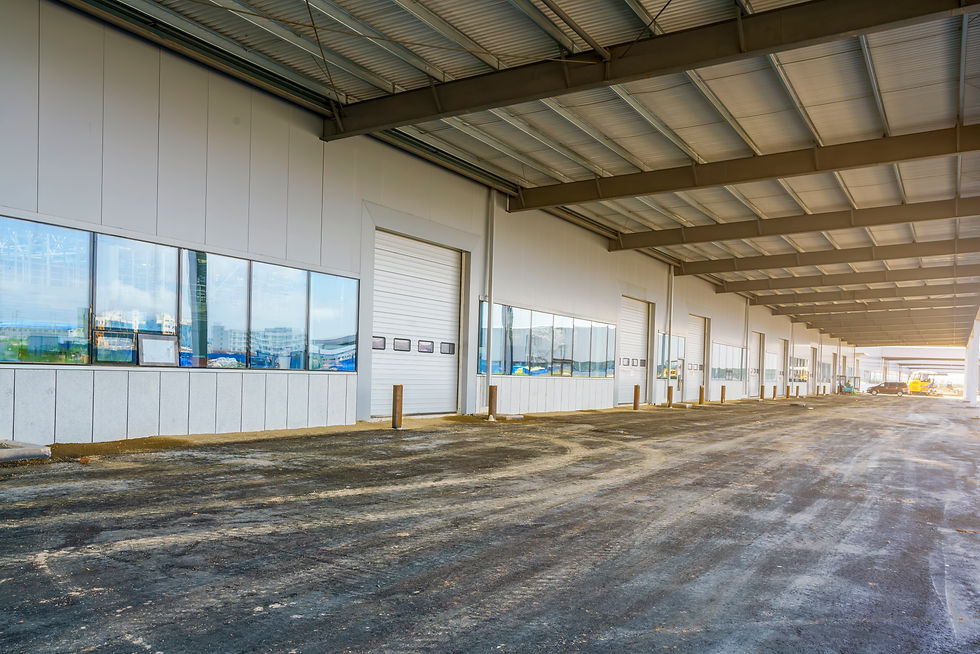
Short answer: look outside at asbestos cement roofs, cladding, gutters, downpipes and fascias, and inside at ceilings, partitions, floor tiles, textured coatings and the lagging on boilers and pipes. Unless construction of a building started at least three years after the national asbestos ban of 28 March 2008, assume it may contain asbestos until a competent person has checked it.
Two sets of regulations apply. The national ban is the Regulations for the Prohibition of the Use, Manufacturing, Import and Export of Asbestos and Asbestos Containing Materials, made by the Minister for Environmental Affairs and Tourism under the Environment Conservation Act, 1989, and published as Government Notice R. 341 in Government Gazette 30904 on 28 March 2008. Asbestos already in buildings is managed under the Asbestos Abatement Regulations, 2020, published as Government Notice R. 1196 in Government Gazette 43893 on 10 November 2020. They took effect on publication and replaced the Asbestos Regulations, 2001.
What the 2008 ban did, and what it didn't
Supply stopped: no person may acquire, process, package or repackage asbestos, manufacture asbestos-containing materials, or distribute asbestos or asbestos-containing materials. Import and export are also prohibited (regulation 2).
Six minerals: the ban covers amosite, chrysotile, crocidolite, fibrous actinolite, fibrous anthophyllite and fibrous tremolite.
Short transition: anyone not continuing under the transitional rules had to stop within 120 days. Importers, manufacturers and distributors of certain "identified products" (heat and arc resistant electrical insulation boards, acetylene gas cylinders, gaskets, seals and insulation materials) could carry on for one year if they registered with the Minister and followed the phase-out procedure (regulation 3).
The ban stopped new supply. It did not require owners to remove what was already built in. That material is managed under the Asbestos Abatement Regulations: it must be identified, recorded and controlled, it may not be reused or reinstalled (regulation 24), and the asbestos management plan must include a policy, procedure and implementation plan for phasing it out that considers what is reasonably practicable (regulation 6).
The 2020 regulations also set their own cut-off. Where no asbestos is found, a competent person must confirm the workplace's asbestos-free status in writing, except in structures whose construction started at least three years after the ban was promulgated (regulation 3). Everything older must be checked.
Where to look
Regulation 1 of the Asbestos Abatement Regulations names the main groups: asbestos cement products, asbestos coating, asbestos insulation board (flat sheets, tiles and building boards), asbestos insulation (for thermal, acoustic or fire protection), asbestos textured decorative coatings and asbestos-contaminated soil. The regulations do not list where these occur in a building, so the common places to look below follow guidance from the UK Health and Safety Executive (HSE):
Roofs and walls: profiled asbestos cement roof sheets and wall cladding.
Rainwater goods: asbestos cement gutters and downpipes.
Eaves: fascias and soffits made of asbestos cement or asbestos insulating board.
Ceilings and partitions: ceiling tiles and boards, and partition walls of asbestos insulating board.
Floors: vinyl floor tiles, which may be backed with asbestos paper and laid with bitumen adhesive.
Finishes: textured decorative coatings on walls and ceilings.
Plant and services: lagging on boilers and pipes, boards around boilers, asbestos cement water tanks, flues and pipes, and rope seals and gaskets in heating appliances.
Electrical: flash guards and boards in older fuse boxes.
You can't tell by looking
The HSE's survey guide (HSG 264) notes that textured plasters, paints and vinyl floor tiles may contain asbestos fibres too fine to see, even with a magnifying glass. Regulation 3 requires an employer or self-employed person, as far as is reasonably practicable, to:
have all asbestos-containing materials identified by a competent person;
treat a suspect material as asbestos-containing, or have a sample analysed by a competent laboratory; and
assume asbestos is present in inaccessible areas that a competent person considers likely to contain it.
Finding asbestos does not automatically mean removing it. The asbestos risk assessment categorises each item by the health impacts of asbestos, the number of people who could be exposed, the potential for damage or disturbance, and its condition. That categorisation decides whether the material is kept in place, repaired or removed (regulation 5).
A quick self-check
Find out when construction of each building on your site started. Unless it was at least three years after 28 March 2008, assume asbestos may be present until it has been checked.
Walk around the outside: roof sheets, cladding, gutters, downpipes, fascias and water tanks.
Look inside older areas: ceilings, partitions, floor tiles and textured finishes.
Check plant rooms and services: boilers, pipe lagging, gaskets and old fuse boards.
Tell maintenance staff and contractors not to drill, cut, sand or clean suspect materials until they have been identified.
If you already have an asbestos inventory, check that it covers every building on the site.
How Qualitas can help
Qualitas Occupational Consulting is a Department of Employment and Labour Approved Inspection Authority and a SANAS-accredited (ISO/IEC 17020) inspection body for asbestos, lead, noise and hazardous chemical agents. Our asbestos surveys and inventories inspect your buildings for asbestos-containing materials, assess their condition and exposure risk, and give clear recommendations in a report written for management, SHEQ teams and auditors.
Planning alterations? Read Renovating an older building? Check for asbestos first. Already have an inventory? The 24-month review and the 6-year AIA endorsement explains how to keep it current.
Not sure what your site needs? Start with our free Compliance Gap Analysis, request a quote, or call or WhatsApp 082 649 6599.
This article is general guidance based on the Regulations for the Prohibition of the Use, Manufacturing, Import and Export of Asbestos and Asbestos Containing Materials (Government Notice R. 341, Government Gazette 30904, 28 March 2008) and the Asbestos Abatement Regulations, 2020 (Government Notice R. 1196, Government Gazette 43893, 10 November 2020). It is not legal advice; refer to the regulations for the full requirements.
Christo de Wet is a SAIOH-registered occupational hygienist with 15 years' experience and the founder of Qualitas Occupational Consulting.


Comments